Although Las Vegas has spent decades perfecting hospitality, professional sports are forcing Las Vegas to rethink what happens from the parking lot to the seat, during the game and after the final whistle.
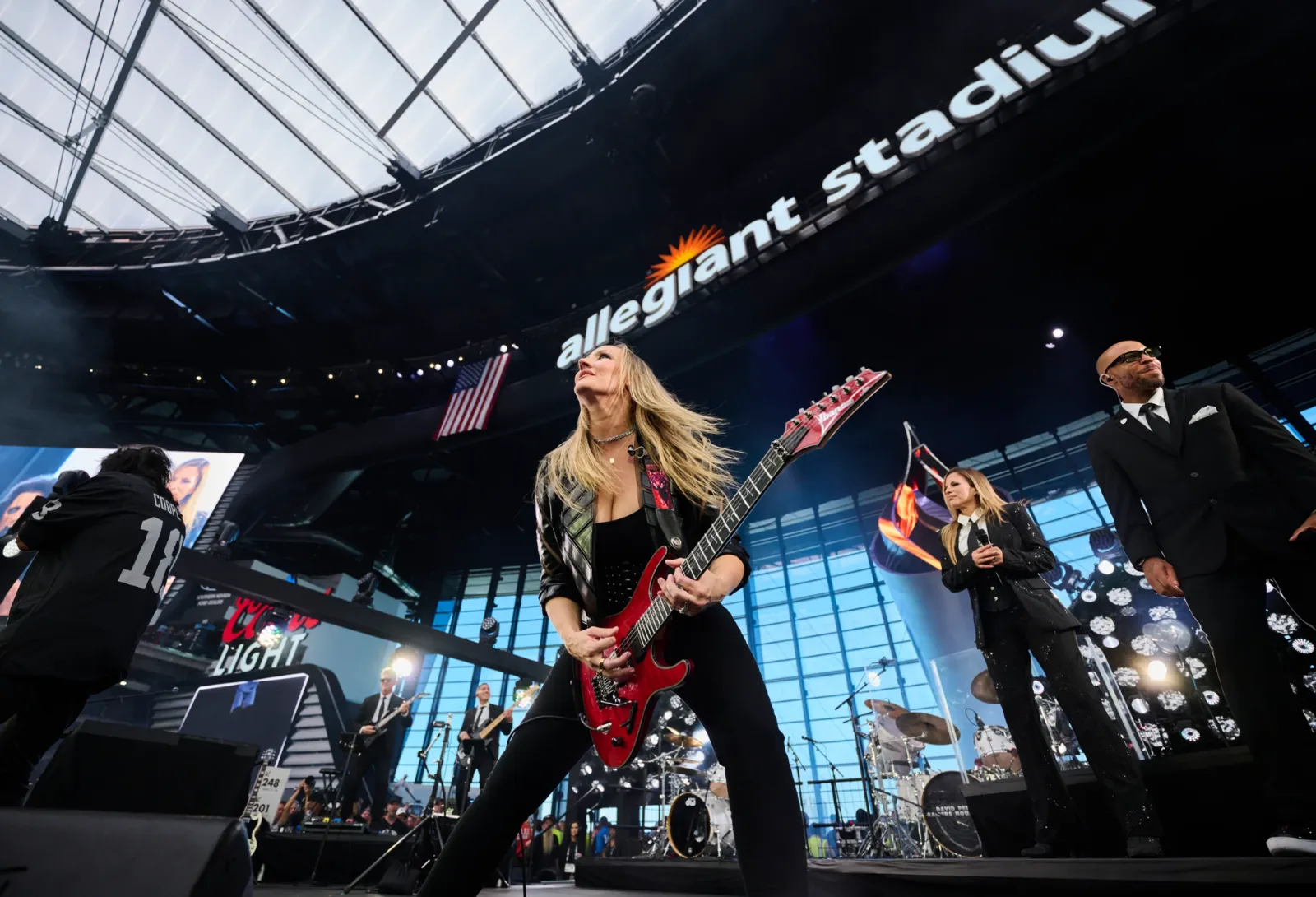
For the Las Vegas Raiders, that increasingly means combining the spectacle of Allegiant Stadium with the technology and infrastructure designed to make the entire journey feel less like a trip to a football game and more like an event.
Sandra Douglass Morgan, president of the Raiders, says the organization has learned that even a spectacular event can be undermined by what happens around it.
“You can have a great event, but if you leave and the experience is great, that's one of the last things that sticks in your head,” Morgan told at the New Destinations event in September.
That has put a premium on everything from connectivity to crowd movement.
Allegiant Stadium is being built out as a highly connected entertainment environment, with Cisco technology providing high-density Wi-Fi and AI-ready networking designed to support connectivity for as many as 65,000 fans. More than 2,500 Samsung displays and large 4K HDR video boards surround spectators with information and entertainment, while an exterior LED mesh marquee turns the building itself into part of the Las Vegas Strip's visual landscape.
Then it’s the less glamorous, but arguably more important, problem of moving people in and out efficiently.
CLEAR integrations provide expedited biometric entry lanes, while mobile ordering can incorporate secure in-seat age verification. Around the stadium, targeted improvements approved by the Las Vegas Stadium Authority are intended to improve traffic flow, pedestrian access and rideshare operations. After all, a premium sports experience doesn’t include spending 40 minutes waiting for a rideshare pickup.